Categories
Uncategorized

What does hyaluronic serum do?

What is it?

Hyaluronic acid is a large molecule produced naturally by your body.

“Almost half of the body’s hyaluronic acid is found in skin,” says board certified dermatologist Fayne Frey, MD.

But it can also be found in bones, cartilage, tendons, ligaments, and lips.

It can “hold 1,000 times its weight in water,” explains cosmetic chemist Vanessa Thomas, adding that it binds to water molecules to retain moisture in the skin and joints.

As humans age, their natural levels of hyaluronic acid begin to deplete. So people turn to skin care products containing the acid for an extra boost.

What does it do?

“Hyaluronic acid acts as a cushion for our joints, nerves, and skin,” says Thomas.

But it’s mainly known for its skin-related benefits.

“In skin care products, hyaluronic acid is used as a humectant — a substance that helps the skin hold onto water,” says Frey.

Frey adds that it “helps hydrate the outer layers of skin, thereby improving the skin’s appearance.” Skin that’s hydrated is touted as being more radiant and youthful-looking.

But hyaluronic acid can’t permanently turn back the clock. Frey says the claims that it’s “the key to the fountain of youth” are “marketing hype.”

“Science has yet to find a single ingredient, molecule, or product that can reverse or slow the aging process,” explains Frey.

As well as improving the look and feel of skin, hyaluronic acid has a number of other uses.

It assists with the wound healing and skin repair process and can act as an antioxidant to protect skin from damaging molecules called free radicals.

Is there anyone who shouldn’t use it?

Hyaluronic acid is suitable for all skin types — even those who have sensitive skin or are prone to breakouts.

It’s also safe to apply the acid to your skin if you’re pregnant or breastfeeding.

Dermatologists can provide personalized advice and product recommendations for your skin type or concern.

Are all hyaluronic products created equal?

Look around the current skin care scene, and you’ll find hyaluronic acid in everything from serums and moisturizers to oral supplements and injectables.

But not all products contain the same amount of hyaluronic acid, or produce the same effects.

Some feature the acid — or its sodium salt, sodium hyaluronate — as the star ingredient. They include a higher acid concentration because their main aim is to provide hydrating or anti-aging benefits.

Others include a smaller amount that acts as a humectant to help a different purpose — whether it’s battling acne breakouts or evening skin tone.

You may also notice various molecular weights on serum and cream labels.

“Hyaluronic acid comes in different sizes,” explains board certified dermatologist Rina Allawh, MD, who practices in Philadelphia.

“Each molecule is assigned a molecular weight, which inversely relates to how deep the molecule can penetrate the skin,” says Allawh. The lower the molecular weight, the deeper the molecules can go.

“A high molecular weight hyaluronic acid is more likely to create a film on the skin surface rather than penetrate deeper into the skin,” adds Allawh.

It’s therefore less likely to have a lasting effect compared to a lower molecular weight acid. And, as Thomas points out, “substances with larger molecules often have trouble showing results.”

small-scale studyTrusted Source, published in 2011, backs this up.

After testing numerous hyaluronic acid weights, researchers found low molecular weight formulations were “associated with significant reduction of wrinkle depth, which may be due to better penetration abilities.”

But Frey notes that methods to prove the deep penetration of hyaluronic acid doesn’t exist to support the claims of skin care manufacturers who say their formula contains low molecular weight acid.

Instead, hyaluronic acid is often injected into the skin to improve deeper signs of aging.

These fillers produce more effective anti-aging results than topical products, but they do come with possible side effects, like bruising and swelling.

How do you add it to your routine?

Well, it depends on the kind of product you’re using.

Moisturizers and serums are two of the most common forms of hyaluronic acid. Use a moisturizer infused with hyaluronic acid at the time when you’d usually moisturize.

Ideally, this would be twice a day and always after cleansing, exfoliating, or applying serums. But if you’re using a hyaluronic acid serum, your routine will be a little different.

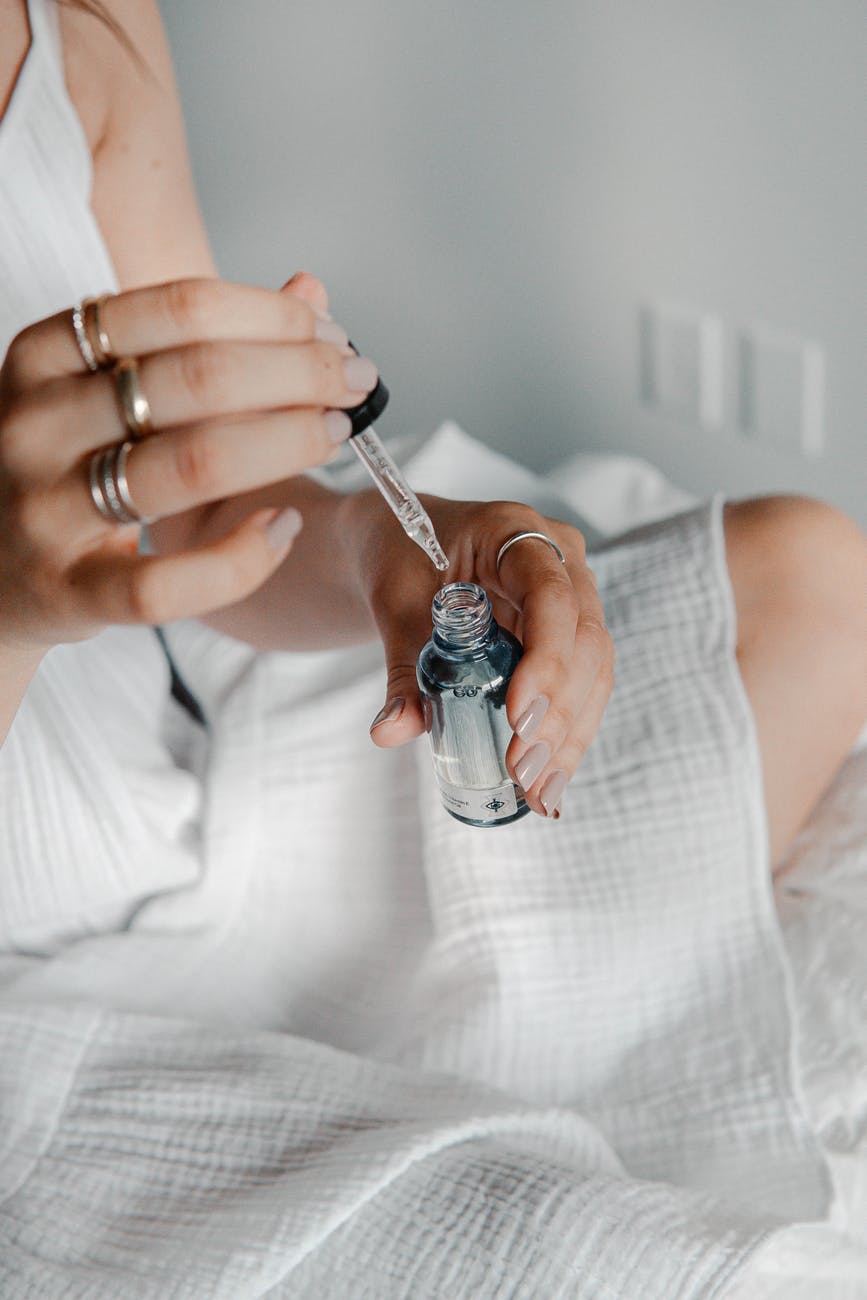
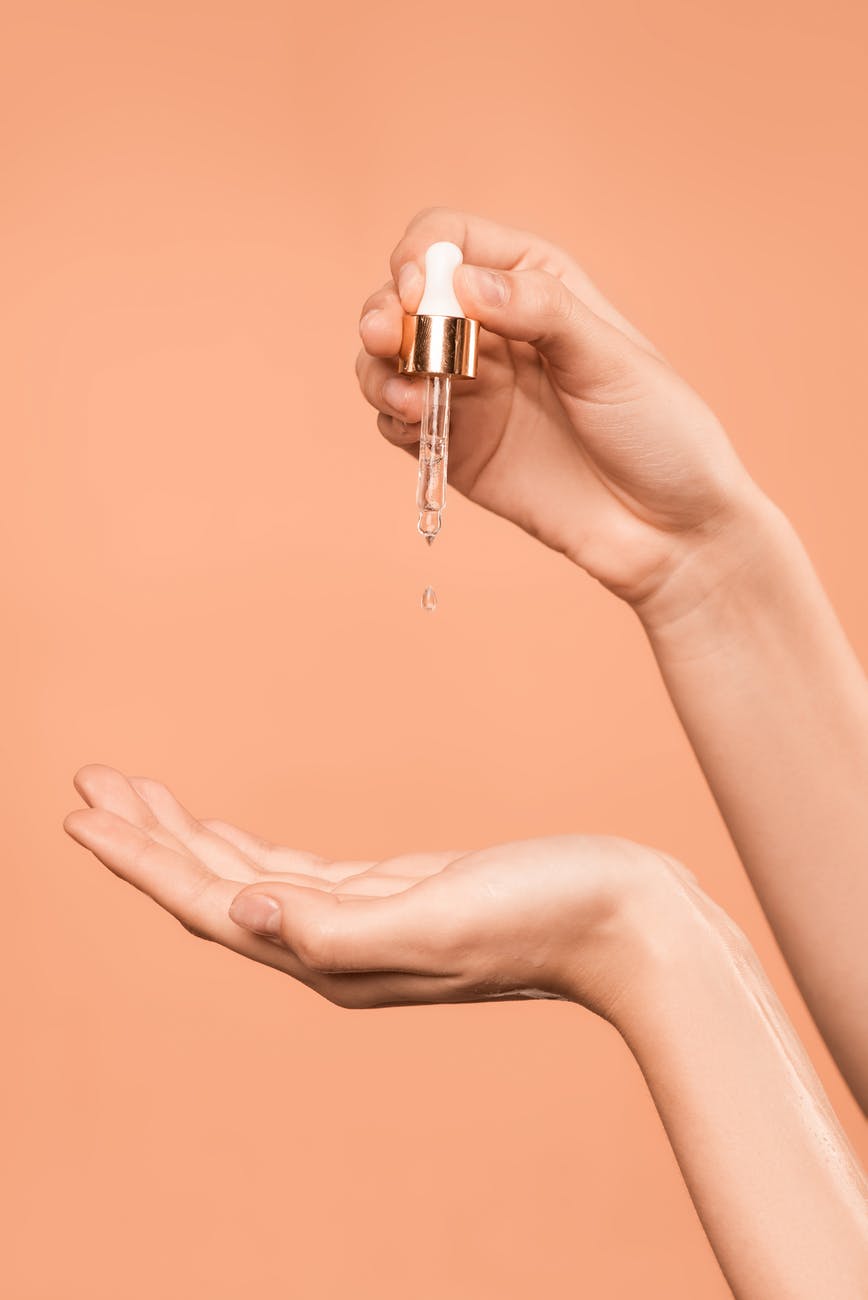
After cleansing, and while your skin is still damp, press a couple of drops into your face with the palms of your hands. Don’t forget to apply a moisturizer immediately afterwards to seal in all that hydration.

Thankfully, hyaluronic acid works well with pretty much any skin care product, including retinolvitamin Calpha hydroxy acids (AHAs), and beta hydroxy acids (BHAs).

So, you don’t need to worry about reworking the rest of your routine.

How often can you use it?

It’s always best to follow specific product instructions and to start off slowly.

Generally, though, hyaluronic acid is safe to use both morning and night.

When can you expect results?

All products are formulated differently, so result times can vary.

As topical hyaluronic acid products tend to produce temporary effects, you should be able to notice plumper, more hydrated skin within a few minutes.

But if you’re looking to reduce the appearance of fine lines and other signs of aging, you may have to wait a couple of months to see a difference.

All credits go to: https://www.healthline.com/health/beauty-skin-care/how-to-use-hyaluronic-acid#results
Categories
Uncategorized

What does vitamin C serum do for your face?

What is vitamin C?

Vitamin C, which also goes by ascorbic acid and L-ascorbic acid, is a vitamin that isn’t actually produced by the body. Instead, the only way to get it is through supplements or your diet — citrus fruits like oranges are famously rich in vitamin C. And it has vital functions throughout the body. “Vitamin C is an essential nutrient in tissue repair and the enzymatic production of various transmitters,” says Dr. Patricia Wexler, a dermatologist in New York City.

While you can certainly eat your way to a healthy vitamin C intake, your skin in particular reaps the biggest benefits when it’s applied topically versus ingested via an oral supplement or your diet, no many how much grapefruit you eat. “Topically, it’s 20 times more potent than the oral intake,” says Wexler.

What are vitamin C’s benefits for skin?

In short: everything. For one, “vitamin C promotes collagen production, which has the potential to thicken the dermis, diminish fine lines, and is essential for firm, youthful skin,” Wexler says. On top of that, vitamin C is an antioxidant, meaning it protects skin cells from damaging free radicals caused by UV exposure.

It also inhibits melanin production in the skin, which helps to lighten hyperpigmentation and brown spots, even out skin tone, and enhance skin radiance. Finally, “vitamin C helps to repair damage from sun exposure and collagen loss by encouraging healthy cell turnover and regeneration,” says Wexler.

How to use it

Apply vitamin C as a serum in the mornings — that is, after cleansing and before applying moisturizer and sunscreen. “I think the best vitamin C skin care products are serums because they are more effective at penetrating the skin barrier than, say, a cream or toner,” says Chapas.

Then, be patient. Most skin care products take time to start working, and vitamin C takes a little longer, even with daily use. According to Wexler, you won’t notice any significant changes in your skin for six to eight weeks. If you have sensitive skin, do a skin test first, as the high acidity can be irritating.

What to look for

You can maximize the benefits of vitamin C by combining it with other antioxidants. “This works best with vitamin E and ferulic acid,” says Chapas. “Together, they have optimal absorption benefits when it comes to anti-aging, skin brightening, and protection against free radical damage.”

It also plays well with vitamin B and hyaluronic acid. However, “do not mix vitamin C with a retinol or niacinamide,” because the pH levels are incompatible, says Wexler. If you want to use both, she suggests waiting half an hour between applications.

Also worth noting: Vitamin C is notoriously prone to oxidizing. “It can break down when it’s exposed to light or air,” says Chapas. “Always check expiration dates on your products, and if you notice a sour smell or discoloration, it’s most likely breaking down.”

All credits go to: https://www.cnn.com/2019/10/15/cnn-underscored/vitamin-c-benefits-for-skin/index.html

Categories
Uncategorized

What does Micro Needling do for your skin?

What Is Microneedling?

Microneedling is a procedure that uses a bunch of tiny needles to puncture the very first layer of skin. This process works to rejuvenate your skin by boosting collagen production, which in turn reduces the appearance of wrinkles and fine lines and elevates the overall texture of your skin.

The particular microneedling treatment I underwent was done with a tool called the Vivace (in my particular experience, we used the microneedling device in tandem with a laser, which is more intense than microneedling alone). “What excited me about the Vivace was, of course, the combination of radiofrequency and microneedling, but more so how precisely, cleanly, and deeply it could deliver both. Finally, you add in blue and red LED, and you have a trifecta of modalities to treat multiple skin concerns,” explains Lubin. Physicians can select the exact depth best for each patient’s skin type and condition and use robotic precision delivery to go as deep as 3.5 millimeters at 0.1-millimeter increments—no other device can.” Blue light is helpful for those who suffer from acne, as the light and heat target bacteria that cause breakouts.

4 Things to Know About Micro-Needling
EMILY ROBERTS/BYRDIE 

[Editor’s Note: This illustration features a derma-roller, a tool that penetrates skin more superficially than a professional microneedling pen, making it safer for at-home use.

Benefits of Microneedling

  • Enhances texture of skin
  • Stimulates collagen production
  • Can help reduce scars and hyperpigmentation
  • Can reduce the appearance of wrinkles2

Shah, who performed my procedure, told me the biggest benefit of microneedling is its ability to radically enhance the texture of your skin. “Microneedling is a collagen-stimulating treatment great for general skin rejuvenation. It treats textural issues dealing with pores, acne scars, wrinkles, tightening sagging skin, and more,” Shah explained to me while my numbing cream settled in. Then I lay down to begin the treatment.

How to Prepare for Microneedling

If you’re using any intense topical treatments (such as those containing retinol), you’d be wise to discontinue use a few days before your microneedling treatment. Harsh products could aggravate the skin, so milder is the key. “In addition to having a cleansed and toned face, you should also avoid using retinol at least 48 hours prior and avoid direct sun exposure for about three days prior and three days following,” notes Josie Holmes, esthetician at SKINNEY Medspa. “I would also advise against using any aggressive acids within the week of the procedure.”

You should arrive to your appointment with clean, dry skin (if not, the technician will wash your face so it’s clean before the procedure). Next, you’ll likely be slathered in numbing cream, so the pain won’t be quite so intense.

What to Expect from Microneedling

Does it hurt? After letting the numbing cream seep into my skin for a half-hour, having a bunch of needles continuously puncture my skin was honestly an easy process. So to definitively answer that, it doesn’t hurt, but it doesn’t feel good. In terms of pain, I experienced a tolerable treatment that lasted all of 20 minutes. To be real, it felt like five minutes, and by the end of it, I was fine. My forehead, hairline, and jawline areas were more sensitive than other areas. I barely felt the tool when it passed over my cheeks, which Shah surprisingly confirmed was the deepest level of depth. 

After the microneedling, the procedure was followed up with a soothing serum and hydrating face mask that honestly felt like heaven. Ironically, even after the numbing cream wore off a couple of hours later, it didn’t feel like I had just been poked hundreds of times. Contrary to how scary this sounds, I experienced no pain whatsoever. 

“The great thing about this treatment is there’s really no significant downtime,” says Shah. “Afterward, there’s a little bit of redness and might be some areas of pinpoint bleeding, but really, it’s a no-downtime kind of treatment, so most people leave here a little bit red. A couple of hours later, you’re pretty much back to normal, and the next day, you can resume your normal skincare and normal activities.” 

All credits go to: https://www.byrdie.com/microneedling-side-effects

Categories
Uncategorized

hEY

hEY!!

Categories
Uncategorized

What is Derma rolling?

If you’re as obsessed with your skincare routine as I am, I’m sure you’ll understand when I say that the quest to achieve a clear, glowing complexion is never-ending. From prowling the market for the best skincare devices to testing out the latest and greatest collagen-boosting and complexion-clearing products, discovering what works for your skin is quite the journey. One of the most popular procedures, known to banish scars, fade hyperpigmentation and boost collagen production, is microneedling—and the milder version of this treatment is dermarolling. 

Don’t worry, you’ve come to the right place if dermarolling sounds foreign to you. Celebrity facialist Candace Marino is here to break down dermarolling—plus, how to properly use a dermaroller tool at home. The benefits of this mini facial tool can truly work wonders for the skin if used correctly.

What Is Dermarolling?

“A dermaroller is a tiny handheld wheel with needles on it, meant to puncture the skin and induce collagen, improve texture, fade acne scars , and allow for better product penetration,” explains Marino. 

Dermarolling is the practice of using a dermaroller device to gently puncture the skin so that products penetrate deeper, dark spots fade, and rough patches smooth over. 

How Will Dermarolling Affect My Skin?

“Most skin types can benefit from dermarolling, but active acne-prone or inflamed skin should not be microneedled or dermarolled,” Marino explains. “When it comes to dermarolling, less is more in regards to your needle size. For at-home use, .25mm is as high as I would recommend going—anything larger than that is just tearing at the skin. Be careful of excessive use of dermarolling on acne-prone or openly-wounded skin, which can spread bacteria across your entire face.”

How Should I Prep My Skin Before Dermarolling At Home?

Before using a dermarolling device at home, make sure to cleanse your skin first. “The skin should be cleaned thoroughly, then degreased with a toning astringent to remove all oils and dirt,” Marino emphasizes. Also, clean your dermaroller: “Hopefully you’re using a new sterile roller. But if not, it should be disinfected with rubbing alcohol or a hospital grade cleaning solution,” explains Marino. 

How Do I Dermaroll Safely? 

“Hold the skin taught and evenly roll the skin, applying mild pressure,” Marino advises. “The needles should be rolling evenly along the skin, not jamming into it.” Feel free to roll underneath the eyes and over your lips, too, but remember to be gentle. This content is imported from Instagram. You may be able to find the same content in another format, or you may be able to find more information, at their web site.

What Serum Should I Use When Dermarolling?

“It’s very important that you don’t dermaroll just any serum into your skin,” Marino warns. “The only thing that should be rolled into into the skin with the tool is ingredients that our body makes naturally like hyaluronic acid, growth factors, cytokines derived from a human source like bone marrow.” 

Be mindful that a dermaroller is mildly puncturing the skin, so sticking to the proper products will help you avoid an adverse effect. “People think that dermarolling their serums will make them more effective,” Marino points out. “What they’ll do is penetrate them deeper than they’re intended to go, causing inflammation. Certain ingredients are not meant for the bloodstream, so do not grab for your vitamin C or glycolic acid and start going to town with your dermaroller.” 

Does Dermarolling Hurt?

The pain level for dermarolling typically depends on the needle size and your pain tolerance. Marino recommends opting for a needle size less than .5mm for at-home use. “Shallow needles will stimulate the top layers of the skin, stimulate natural growth factor production and bring circulation to the skin,” Marino explains. “This encourages your skin to rejuvenate; it will stimulate new collagen and help strengthen elastin. Now, for the point about pain: “At a needle depth less than .5mm, no, it should not hurt,” Marino confirms. “If it hurts, you may be pressing too hard. There is no long-term downtime associated with it— however, depending on your skin tone you may experience short-term redness that should go away.” 

Something to note for in-office dermarolling procedures, otherwise known known as microneedling sessions with a licensed professional: “An 1mm dermapen penetrates the area of the skin known as dermal-epidermal junction (DEJ) to stimulate collagen production,” Marino says. “Anything over 1mm, (in the 2.0mm range) is meant for thick skin and scarring only.”

When Will I See Results?

“You can definitely see an immediate post dermarolling glow, but the quickest results for scars, texture, fine lines, and wrinkles come from a professional microneedling session,” Marino confirms, adding that supplementing your dermarolling routine with the right products will also speed up the show on your skin with visible results.

Like much of beauty, to see a drastic change in your skin post-dermarolling, consistency is key. Start by dermarolling once a week to build up your skin’s tolerance, then work your way up to three times a week for continued results. Happy rolling! 

All credit for this blog goes to Marie Claire. https://www.marieclaire.com/beauty/a32690022/what-is-dermarolling/